
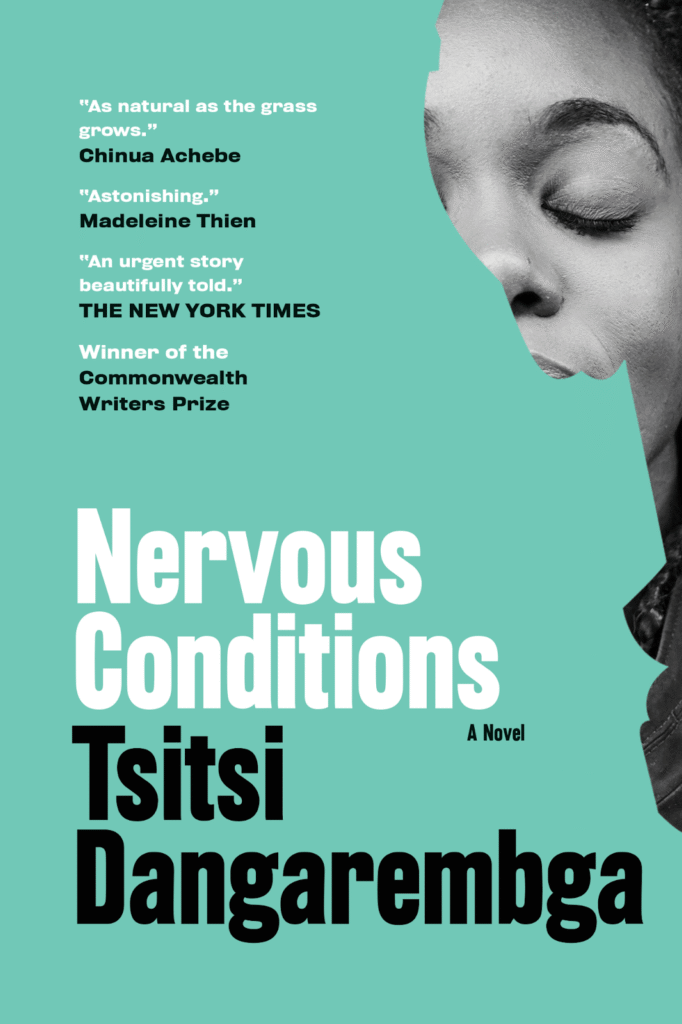
Author: Tsitsi Dangarembga
Plot: Two decades before Zimbabwe would win independence and ended white minority rule, thirteen-year-old Tambudzai Sigauke embarks on her education. On her shoulders rest the economic hopes of her parents, siblings, and extended family, and within her burns the desire for independence. She yearns to be free of the constraints of her rural village and thinks she’s found her way out when her wealthy uncle offers to sponsor her schooling. But she soon learns that the education she receives at his mission school comes with a price.
Review:
“ I was not sorry when my brother”
The first line of Nervous Conditions instantly captures your attention, instantly drawing you into unabashed African imagery that is both powerful and refreshing.
Tambu, the second child of her family, is a smart and determined young girl with incredible potential. But because she’s a girl unlike her brother Nhamo, her desire to attend school is dismissed. Her parents insist they cannot afford her education. Tambu, however, is undeterred by this favoritism and takes matters into her own hands. She sets out to plant her own plot of maize to sell, hoping to earn the money for her schooling. Throughout her efforts, neither her brother nor her father encourages her, as they believe she is foolish for wanting to go to school. After all, in their eyes, women cannot succeed.
When her brother unexpectedly dies at the age of 13, Tambu’s life takes a turn for the better. Her uncle Babamukuru offers to send her to school in her brother’s place. Thus begins a new chapter of her life; one in a world starkly different from the one she knows. Woven into her story are characters who help shape her beliefs and guide her through the challenges of gender, identity, and cultural expectations.
Tsitsi Dangarembga’s Nervous Conditions is a harsh reminder that women are too often forgotten, silenced, and set aside. The novel is both a homage to strong women and a voice for the voiceless. Although written in the 1980s, its central themes of colonialism and gender inequality remain painfully relevant for many around the world today.